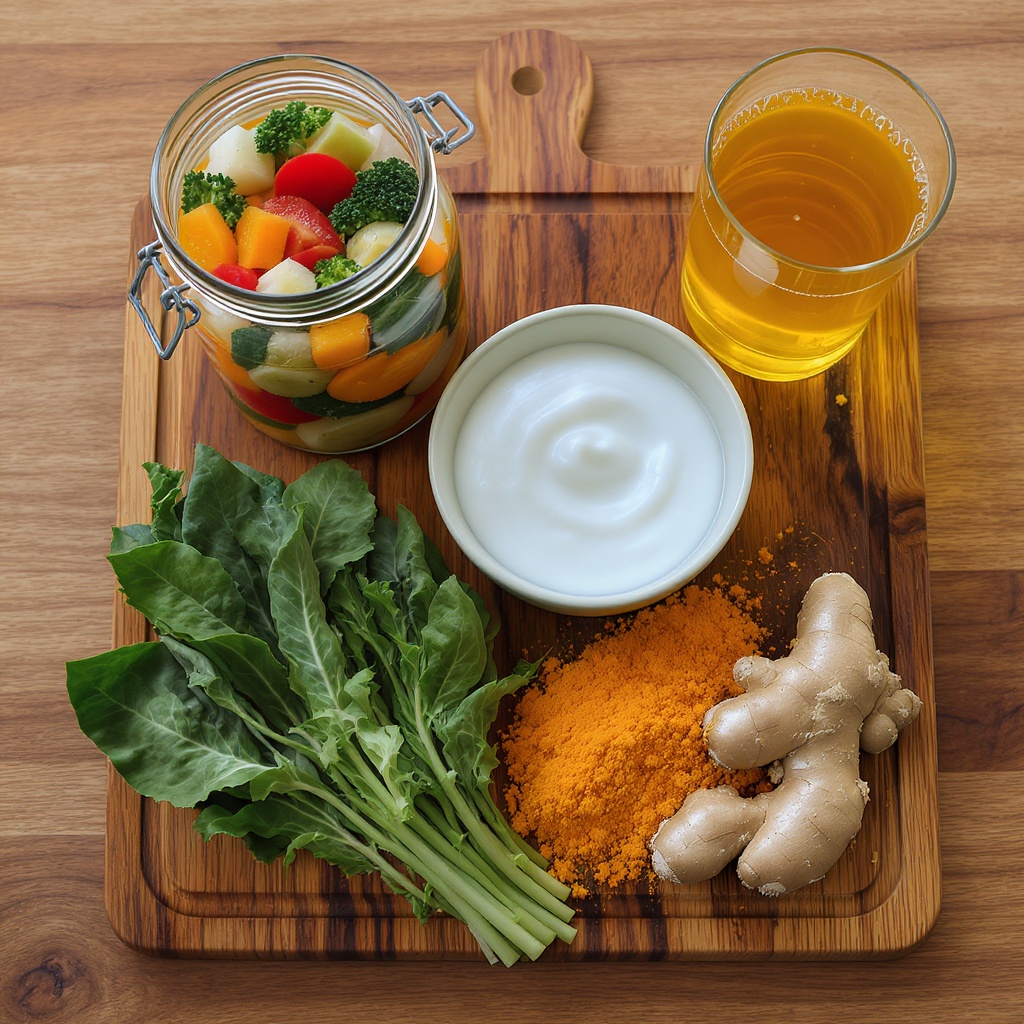
Signs Your Gut Needs Support
The gut communicates constantly with the rest of your body, which means digestive imbalance rarely stays contained to the GI tract alone. Common signals that your gut may need targeted support include:
- Bloating and distension after meals, especially after carbohydrate-rich foods
- Irregular bowel movements—either constipation, loose stools, or alternating between the two
- Low energy and brain fog that doesn’t correlate with sleep quality
- Skin issues like breakouts, eczema flare-ups, or persistent redness
- Food sensitivities that seem to worsen over time
- Poor sleep quality despite adequate hours in bed
If you experience two or more of these symptoms regularly, your gut health is worth prioritizing. The good news is that the gut is remarkably responsive to targeted intervention—you don’t need months to notice results.
Natural Strategies for Gut Health
1. Flood Your Plate with Fiber-Rich Plants
Diverse plant matter is the single most impactful dietary change most people can make for their gut health. Aim for 30 different plant species per week—a target studied by the American Gut Project and found to correlate strongly with microbial diversity and immune function.
Start with the basics: leafy greens, carrots, beets, broccoli, and squash. Build from there. The fiber feeds beneficial bacteria, which produce short-chain fatty acids that nourish the gut lining and support systemic health.
2. Add Fermented Foods Daily
Fermented foods introduce beneficial lactic acid bacteria directly into your digestive system. The research is compelling: a 2021 Stanford study found that a high-fermented-food diet increased microbiome diversity and reduced markers of inflammation more effectively than a high-fiber diet alone.
Easy additions: full-fat yogurt (no added sugar), kefir, kimchi, sauerkraut, kombucha, and miso. Start with one serving per day and work up to two to three. If you’re new to fermented foods, introduce them gradually to avoid excessive gas and bloating.
3. Manage Stress—It Directly Damages Your Gut
The gut-brain axis is not a metaphor—it’s a physical network of neural signaling, hormones, and immune mediators that travels both directions. Chronic stress elevates cortisol, which reduces beneficial gut bacteria, impairs gut barrier integrity, and promotes microbial dysbiosis.
Practical stress management doesn’t require a meditation retreat: 10 minutes of slow breathing in the morning, a daily walk, and setting a hard end time for work emails will move the needle significantly for most people.
4. Support Sleep Quality
Sleep deprivation alters the gut microbiome within 48 hours. A 2020 study in Molecular Metabolism found that just two nights of insufficient sleep reduced insulin sensitivity and changed the ratio of beneficial to harmful gut bacteria. Prioritizing seven to nine hours of quality sleep is one of the most underrated gut health interventions.
Herbal Support Options
Herbs have been used to support digestive health across cultures for millennia. Modern research confirms what traditional systems observed: certain herbs have measurable effects on gut motility, microbial balance, and gut lining integrity.
The herbs most consistently studied for gut health support include:
- Ginger — Promotes gastric emptying, reduces nausea, and supports healthy motility. Particularly useful for bloating and sluggish digestion.
- Peppermint — Acts as a smooth muscle relaxant in the GI tract, reducing abdominal pain and cramping associated with irritable bowel patterns.
- Garlic (aged extract) — Contains allicin and other sulfur compounds that support healthy microbial balance in the gut.
- Meadowsweet — A traditional herb with mucosal protective properties that supports the integrity of the gut lining.
- Black Walnut Hull — Traditionally used in herbal protocols targeting digestive imbalance and microbial support.
Herbs work synergistically when combined in well-formulated protocols. Taking them in isolation rarely produces the same results as a structured system.
Gut-Friendly Foods to Prioritize
Beyond supplements, your kitchen is the most powerful tool in your gut health toolkit. Focus on these food categories:
- Bone broth — Rich in collagen and glycine, supports gut lining repair
- Omega-3 rich foods — Fatty fish, walnuts, chia seeds reduce gut inflammation
- Prebiotic foods — Garlic, onions, asparagus, and unripe bananas feed beneficial bacteria
- Polyphenol-rich foods — Berries, dark chocolate, green tea support microbial diversity
- Collagen-rich proteins — Eggs, chicken skin, fish support mucosal integrity
Ready to Go Deeper?
Supporting your gut health naturally is a powerful first step, but for a structured, proven protocol that combines dietary guidance, herbal support, and meal planning, explore the 14-Day Gut Reset System. It gives you everything you need in one organized package.